1. A Riveting Introduction: Why Personalization Must Transform Today
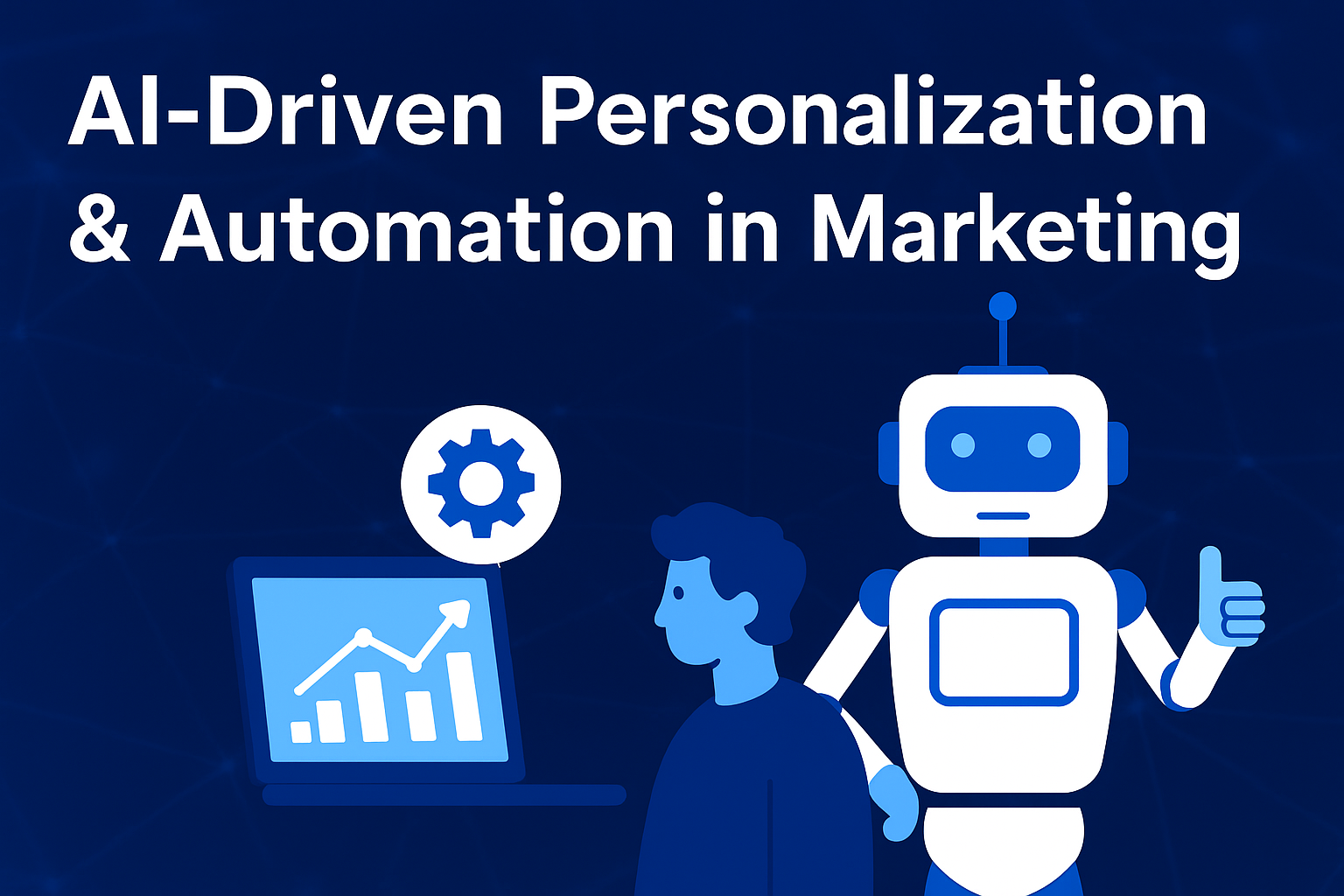
In today’s hyper-competitive digital landscape, generic marketing no longer captivates. Customers demand experiences that feel tailored, intuitive, and emotionally resonant. AI-powered personalization and automation are now transformative catalysts—logically placing the right message at exactly the right moment, and at massive scale. Without embracing this shift, brands risk fading into irrelevance.
2. Precision at Scale: AI’s Hyper-Personalization Power
Mobisoft Infotech’s latest 2025 strategy underscores that AI is no longer backstage—it’s the pulse of personalization. By tapping into real-time data, AI crafts dynamic, context-aware customer experiences—from homepage banners tailored mid-session to predictive product recommendations that feel eerily prescient Amazon’s recommendation engine is such a juggernaut that it’s credited with generating approximately 35% of total revenue—a monumental testament to AI’s influence. Globally, AI now powers personalization that deepens loyalty, cultivates trust, and forges lasting relationships
3. Intelligent Automation: From Mundanity to Mastery
AI agents are rewriting the rules of marketing automation. Unlike traditional rule-based systems, they act autonomously—analyzing, deciding, and optimizing on the fly across channels, messaging, and timing. Imagine marketing that adapts in real time to behavioral cues and context—instantaneously delivering the right content to the right user at the right moment.
This agentic evolution is not futuristic—it’s today’s reality, and it’s reshaping customer journeys with extraordinary precision and agility
4. Tangible Triumphs: Case Studies That Inspire
AI’s transformative impact on engagement and conversions is profound:
- AI Chatbots & Personalization: Benefit Cosmetics saw a 50% boost in click-through rates and 40% jump in revenue by triggering emails based on user behavior.
- Retail Performance Soars: TFG achieved a 35% increase in online conversions, 40% more revenue per visit, and a 28% reduction in exit rates by deploying AI-powered chatbots during peak seasons.
These standout examples reinforce how AI is not just innovative—it’s instinctively impactful.e leverage AI for personalized advice and marketing—tailoring campaigns based on user goals and market trends.
5. Strategic Benefits: Why AI Is Non-Negotiable
In the evolving marketing environment, AI-driven personalization and automation deliver unmatched advantages:
- Escalated Engagement & Loyalty: Personalized experiences inspire deeper emotional connection and brand stickiness.
- Operational Efficiency & ROI: AI automates repetitive tasks, boosting productivity by ~30%, while shrinking resource depletion and error rates.
- Predictive Precision: AI forecasts user intent, segments audiences dynamically, and serves content that profoundly resonates.
Collectively, these benefits make AI integration in marketing not just an option—but a strategic imperative.
6. Bold Implementation: Step-by-Step Path to Excellence
Here’s how brands can harness AI’s full potential—without overwhelm:
- Consolidate Your Data Foundation: Real-time personalization needs unified, accurate customer data from web, mobile, CRM, and behavioral sources.
- Select Intelligent Tools: Leverage platforms like Salesforce’s AI personalization suites, AI agents, or generative content engines that support dynamic engagement.
- Pilot & Scale Smartly: Start with high-impact scenarios like dynamic emails, product recommendations, or AI-optimized landing pages.
- Track and Refine Continuously: Monitor user engagement, conversion rates, and ROI—then teach your AI to get even smarter.
- Ethics & Human Oversight: Always ensure transparency with data usage and maintain a human layer to guide AI creativity and fairness
7. Facing the Hurdles: Ethical and Practical Challenges
Drawing from MobisoftInfotech’s and other experts’ insights, here’s how to implement AI-driven marketing effectively:
1. Start with Clean, Unified Data
Ensure your customer data—across web, mobile, and CRM—is accurate and accessible.
2. Choose the Right Tools
Platforms like HubSpot, Salesforce Einstein, and AI agents offer ready-made automation and personalization.
3. Implement Gradually
Begin with simple use cases: personalized email triggers, dynamic content, or basic recommendation engines.
4. Measure & Optimize
Track metrics like CTR, engagement, conversions, and CLV. Use data to continuously refine personalization models.
5. Ensure Ethical Use
Communicate clearly with customers about data usage. Provide opt-outs. Monitor for bias in recommendations or targeting.
8. The Transformative Edge of 2025 & Beyond
AI is no longer buzz—it’s the backbone of next-gen marketing:
- Cross-Functional Integration: Marketing must align closely with tech and product for true personalization impact.
- Social Commerce: Platforms like TikTok and Instagram are becoming sales engines, driving real-time transactional personalization.
- Autonomous AI Marketing: Agentic AI will continue enabling seamless experiences—anticipating needs and acting proactively.
The brands that thrive will be those that harness AI as a strategic ally, not a gimmick.
Conclusion: Powering Tomorrow’s Marketing, Today
Artificial intelligence is redefining marketing—making strategies smarter, campaigns faster, and customer experiences infinitely more personal. Brands that embrace AI-driven personalization and automation can scale tailored experiences with precision, build lasting engagement, and retain competitive advantage.
To stay ahead in a digital-first market, align your data, tools, and teams to harness AI effectively—and ethically.
Sources:
millermedia7.comInsights – Marketing Markets
Insights – Marketing Marketsmillermedia7.com
Santa Clarita Valley SignalBlogPilot
Insights – Marketing MarketsScienceDirect
Mobisoft InfotechInsights – Marketing Markets